Chobi Rugs
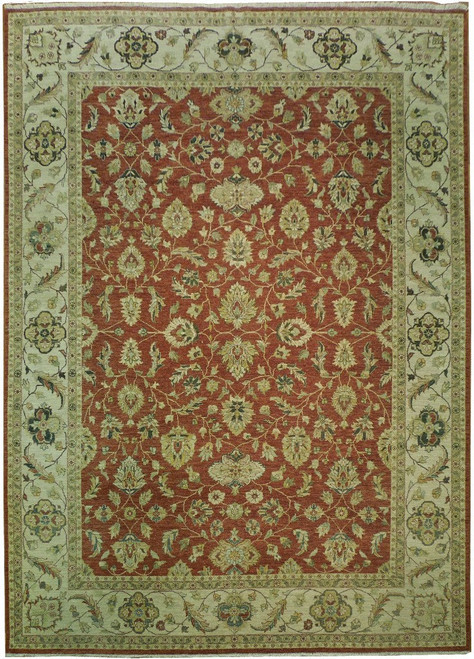
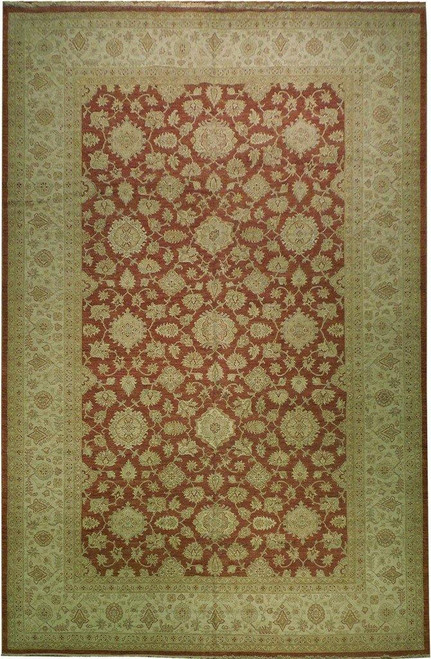
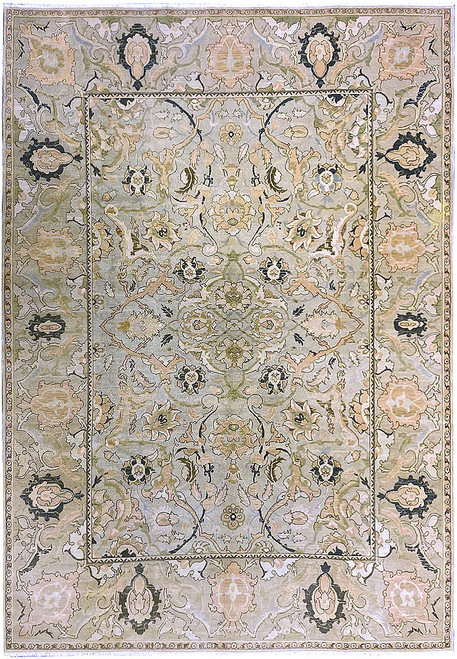
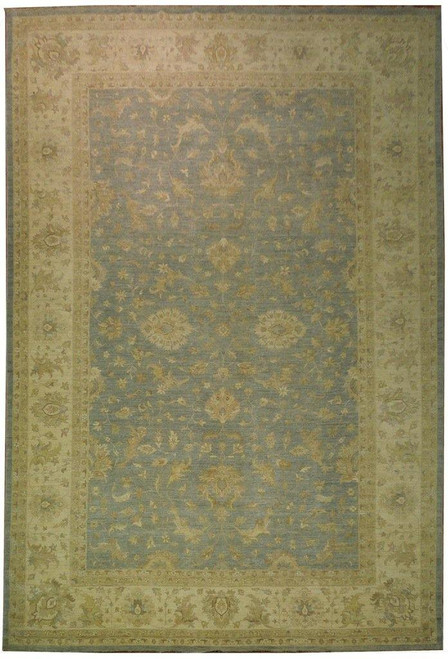
Chobi takes its name from the word for wood, after the plant and wood dyes the wool is coloured with. The rugs are woven around Peshawar in northern Pakistan, in handspun wool on a cotton foundation, mostly by Afghan weavers. The drawing comes out of the nineteenth century Sultanabad export trade. The palette is narrow on purpose: gold, sand, soft green, faded rust, weak blue.
The dyes the name refers to
Chob is wood, and the word points at where the colour comes from. Madder root for red and rust, indigo for blue, walnut husk and oak gall for the browns, pomegranate rind and yellow-flowering plants for the golds, and green made by dyeing yellow over indigo rather than mixing a pigment. None of this is exotic. It is the dye chest every weaving region used before synthetics arrived, put back into use as a deliberate choice. Handspun wool takes these dyes unevenly because the fibre thickness varies along the yarn, and the banding that results, which the trade calls abrash, is expected here rather than apologised for.
Why the palette stays so small
Natural dyes on handspun wool produce a related, limited range, and the revival leaned into that instead of fighting it. The colours are chosen to sit near each other so that nothing jumps: gold and sand, sage and celadon green, a rust pulled well back from scarlet, brown doing the work that black outline does elsewhere. The result is a rug that behaves as a background, which is the opposite of what most hand-knotted weaving is built to do and is most of the reason these sell.
The Sultanabad inheritance
The designs are not invented. They come from the large-scale all-over patterns woven in central Persia for the European market from the 1880s onward, the trade that produced Ziegler carpets, which in turn drew on the open drawing of Oushak weaving in Anatolia. Big scrolling vine, wide-spaced palmettes, an open field and no medallion, all drawn at a scale that stays legible when a sofa covers a third of it. The names Chobi, Peshawar and Ziegler are used loosely across this same body of work, which is worth knowing before comparing two listings by name.
The wash, and how far is too far
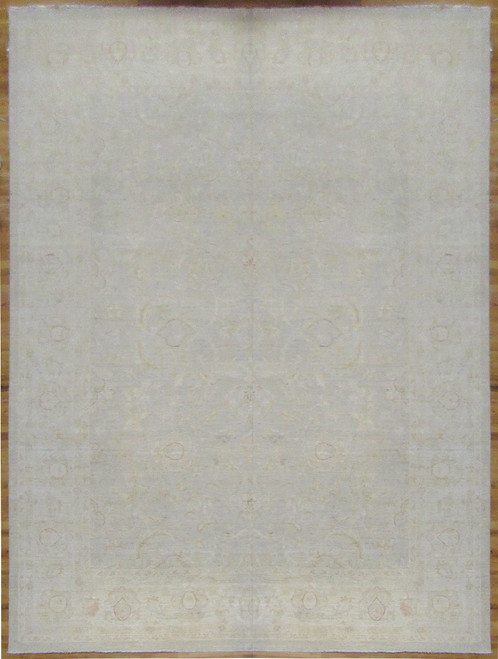
Almost every rug in this family is washed after it comes off the loom, to settle the dye, open the wool and mellow the colour. Done lightly it is a finishing step and it does the rug good. Done hard it is cosmetic surgery. The signs of an over-washed piece are consistent: ivory that has gone a uniform tea brown, contrast flattened so the drawing loses its structure, and wool that feels dry and slack instead of springy. The simplest check is to part the pile with your fingers. On a lightly washed rug the colour at the root of the knot is close to the colour at the tip. On a heavily washed one the tips are visibly paler or browner than the roots, because the change was applied to the surface and did not reach the rest of the fibre.
Sizes, and what the format is for
These are woven in every size, and the large ones are the point. A pattern with no medallion and no strong colour works better the bigger it gets, so large and 12x18 Chobis are the standard answer for a big pale room. They sit comfortably in transitional interiors, next to modern furniture, in houses where a deep red Persian medallion would be a fight. Within Pakistani weaving they are the quality end, and they share looms and weavers with Afghan production across the border.
The rooms to keep one out of
A pale rug shows everything, and this palette has no dark ground to hide in. Under a dining table it will record the first glass of red wine permanently. In an entrance hall it will take the grit off shoes and go grey along one line within a couple of years, and the low contrast that makes it restful also means there is no pattern busy enough to disguise the damage. Put a Chobi in a sitting room, a bedroom or a formal space with shoes off, and put something dense and dark where the traffic actually is: a Bijar or a Heriz will take the punishment and look better for it.